








1. Past experiences like loss, abuse, or neglect can make bedtime and night waking difficult.
2. Predictable routines and reminders help children feel secure at night.
3. Relaxing music, red night lights, and gentle sensory activities support better sleep.
This blog is part of our “TBRI® Caregiver” Training. If you would like to learn more about this training or any of other trainings. Click Here.
Helping Kids Feel Safe at Night: Understanding Sleep Problems Rooted in Trauma
Everyone knows that parents of newborns operate on a deficit in the snooze department. Babies are up around the clock for obvious reasons. But sleep can also be tricky for older kids who have experienced loss, abuse, and neglect. Separation anxiety, memories of bad things that happened in the dark, and grief can all intensify in the stillness of night and cause bedtime challenges.
Whether it’s the child who just can’t seem to fall asleep or the one who wakes in the wee hours, it is important to consider what happened in your child’s past and how that may cause trouble sleeping. Were they abused at night? Did they wake up one morning to a parent who was no longer there? Did they move homes in the middle of the night? Or, is night when their mind has too much time to worry… “When will I move again? Will I have enough to eat? Am I safe?”
Try the tips below to help your child through sleep struggles so that everyone can catch some ZZZZZZZZs.
- Keep a sleep journal. Make detailed notes about the events of the day. Were there changes in routine? New visitors? Does your child awaken at the same time each night? Track patterns that may help you identify possible triggers for night waking.
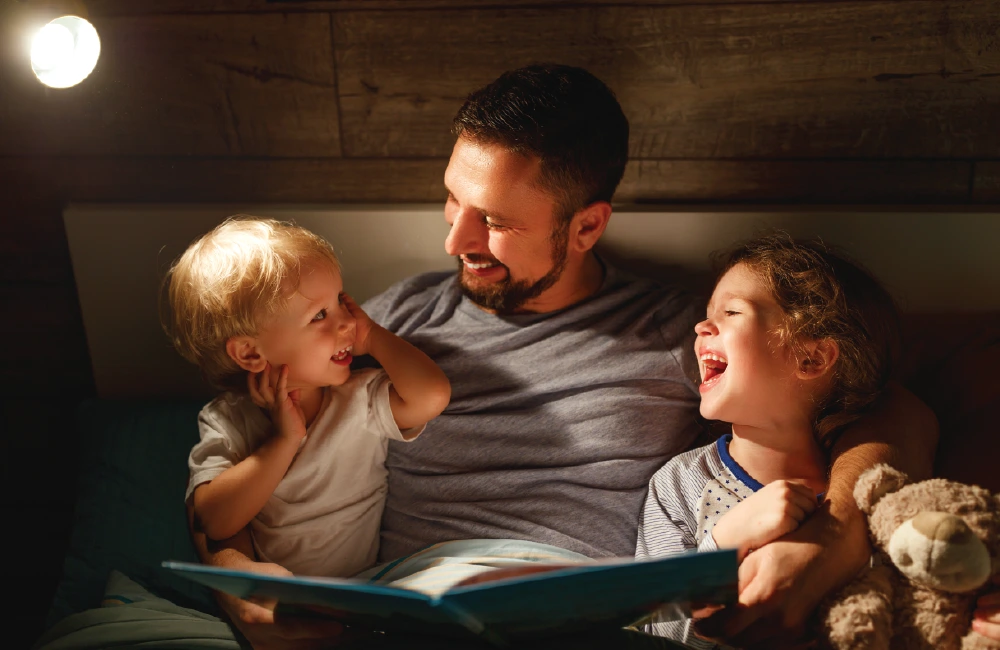
- Stick to routines. Follow the same patterns each night (bath, brush teeth, read, prayers, lights out). Predictability helps children feel safe.
- Give frequent reminders about the bedtime routine so your child knows what is coming next (e.g., “Five minutes until your shower!” or “Five minutes until prayers and lights out!”).
- Use calming strategies. Create a relaxing atmosphere: play slow, soothing music without lyrics; check out the Calm® app, which includes music and sleep stories for kids; diffuse lavender essential oil in your child’s room; offer a foot massage with lavender-scented lotion.
- Consider using a “red light” instead of a night light. For kids afraid of the dark, a red light can help their body relax and transition better into a natural sleep cycle.

TBRI® Caregiver
Practical, trauma-informed strategies to support children impacted by trauma.
