





Empowering Caregivers with Coaching and Training Services.

Need Support? Speak with an Intake Specialist Today

Feeling overwhelmed? Meredith, our Intake Specialist, is here to help. Reach out today.

Get Trauma-Informed Training From Anywhere

Experience Trauma-informed
tools from anywhere.

Why Kids with Problematic Sexual Behavior Aren’t ‘Bad’—And Why That Matters
Connecting with Teens through Shared Journaling
5 Trauma-Informed Parenting Hacks That Work
Understanding Childhood Sexual Development: A Shame-Free Guide for Parents
From Bathtime to Big Talks: Everyday Ways to Teach Kids About Their Bodies
From Burnout to Connection: Using Points of Joy to Overcome Blocked Care

Handle Sibling Fights and Nurture a Positive Attachment Every Day

Two individuals each carry a child on their back while walking outdoors in a park-like area with trees displaying golden leaves. The group is positioned on a pathway with soft natural lighting in the background.

KEY TAKEAWAYS

1. Every child brings a different personality and perspective.

2. Create opportunities for positive connections between siblings.

3. Support connection through attention and open conversation.

This resource is part of “Understanding Big Behaviors: Brain-Based Insights”  Training. If you would like to learn more about this training or any of other trainings. Click Here.

Why Sibling Fights Often Increase During Long Breaks

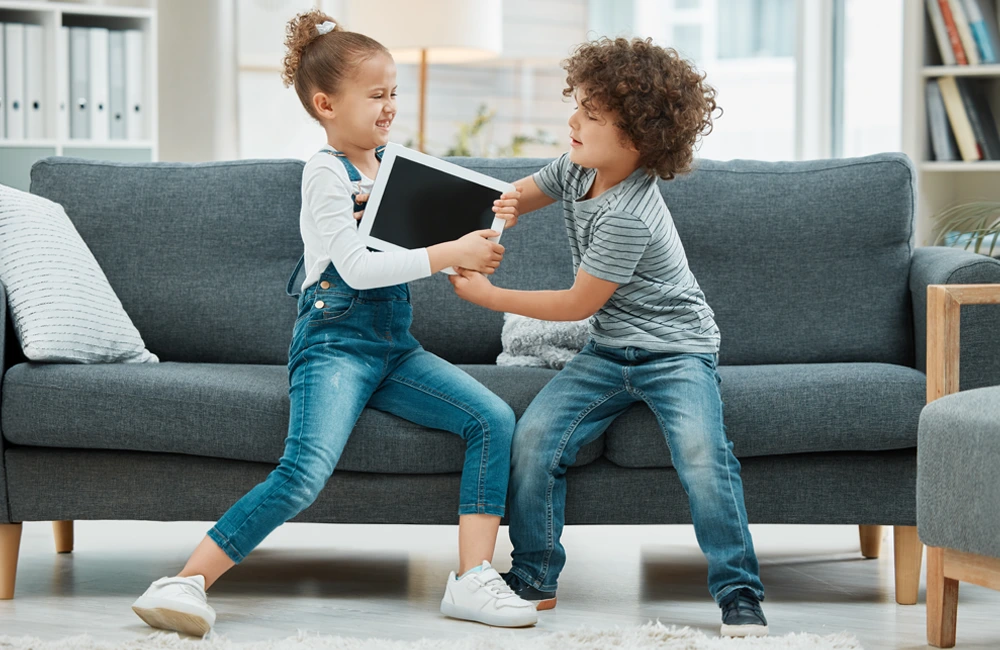
If you are a foster, adoptive, or kinship family, then you know caring for multiple children isn’t easy. Squabbles, sharing, and getting under each other’s skin is bound to happen any time of the year. However, sibling fights and other behaviors tend to get worse during long breaks like summertime or holidays.  

Helping Kids Move from Conflict to Connection

Each Child is Unique

If you are a foster, adoptive, or kinship family, then you know caring for multiple children isn’t easy. Squabbles, sharing, and getting under each other’s skin is bound to happen any time of the year. However, sibling fights and other behaviors tend to get worse during long breaks like summertime or holidays.  

Positive Activities

Look for ways to promote positive interactions between siblings. Find something they enjoy doing together like a project or problem solving as a team. 

Individual Attention

Ensure that each child in the home receives individual attention. This can be one-on-one time like an event, shopping, or pursuing a hobby together. Increase your parenting resources by seeking help from friends or family. Also, use everyday moments like cooking dinner, a quick grocery run, or bedtime routines to give that personalized time. 

Talk About Emotions

Sibling fights are exhausting for both caregivers and children. Create a home environment that allows your child to express themselves. Let them talk about their joys as well as their fears and disappointments with their siblings. Honest conversations that validate our child’s feelings are a powerful intervention to help prevent sibling rivalry.   

Ask for Help

Don’t be afraid to ask for help; it’s an effective parenting resource. Kids need a positive support network. This may look like a therapist or sibling support group to help with stress relief and coping. Answer their questions about what they are seeing and experiencing honestly and age appropriately. 

Managing conflict between your children can feel overwhelming. The ConnectionPlus team is ready with parenting resources, training, tools, and support to help parents feel prepared.  

Understanding
Big Behaviors

Discover how trauma affects executive function and learn strategies to support development.

Connecting with teens can feel tough. Video games, earbuds, and social media often command their attention, and one-word answers can leave caregivers wondering, What are they thinking? What are they feeling? Do they even care? Some teens keep their emotions tightly guarded, while others huff, puff, and stomp away when parents try to enter their world.

When it feels like the door is closing, shared journaling can offer another way in. This simple practicebuilds relationship without forcing conversation. It allows teens to express how they feel at their own pace, in their own words, and without the pressure of face-to-face interaction or nonverbal cues that can sometimes create barriers.

What Shared Journaling Can Look Like at Home

In one family, shared journaling became a simple weekly rhythm. A parent and their daughters took turns answering questions in a journal, leaving it on one another’s pillow each week. Over time, this small practice opened a window into the girls’ hearts—their hopes and dreams, friendships, interests, and struggles. 

The journal also became a space for the children to learn more about their parent as a teen and young adult, often discovering unexpected things they had in common. What mattered most wasn’t writing something wise or perfectly worded. The connection came from open-ended prompts and a willingness to listen without correcting, fixing, or lecturing. 

Why Kids with Problematic Sexual Behavior Aren’t ‘Bad’—And Why That Matters

Trauma and Adolescence

ConnectionPlus is here to help your family not just survive the holiday season, but thrive in it.

LOOKING FOR MORE SUPPORT?

Explore our resource library for practical tools and guidance for families impacted by trauma. If you’re interested in diving deeper, check out our upcoming trainings. And if your family needs parent coaching, we’re here to help every step of the way.