







1. Felt safety is essential.
2. Preparation reduces fear.
3. Prioritize choice and calmness.
This blog is part of our “TBRI® Caregiver” Training. If you would like to learn more about this training or any of other trainings. Click Here.
Understand and Prepare for Triggers During Halloween
When a child has faced traumatic circumstances, their brain spends more time in “fight or flight” mode than a child who has not. Even a seemingly ordinary experience like entering a busy store or transitioning to the dinner table can trigger a big feeling or fear response. For our children to heal and experience peace, it is not enough to be physically safe. They must feel safe—which often takes additional effort on the part of a loving caregiver.
Creating this “felt safety” matters at any time of year, but it’s especially important on days when routines are shaken up, like holidays. Add this to the spooky themes of Halloween, and these few weeks in October can be an especially challenging time for our kids.
To ensure felt safety for our children so they can enjoy the best parts of this season, we have to be intentional. Here are some ways you can prepare your children for trick-or-treating, fall festivals and any other potentially scary experiences this October:
Understand and Prepare for Triggers
Set Accurate Expectations
Help your child feel in control by preparing them for what to expect. Explain your plans for Halloween or the days surrounding it so they aren’t startled by costumes or decorations. Don’t forget to check if their school has any Halloween-themed activities coming up. If your child is fearful of spooky things, you may want to ask their teacher for a heads-up.
QUICK TIP: If trick-or-treating is on the agenda, consider a practice walk during daylight hours, perhaps with a friendly neighbor playing along.
Try on Costumes Ahead of Time
Children with heightened sensory needs may struggle with certain fabrics or accessories, especially those that are itchy or restrictive. They may not like face coverings or headgear. To avoid last-minute conflicts, have them try on costumes well in advance. Adjust or remove uncomfortable elements as needed and prepare them if the final look doesn’t match what they imagined.
QUICK TIP:Try not to take it personally if your costume idea doesn’t work out. The goal is for your child to feel safe and have fun!
Provide Choice and Control
Children who’ve experienced trauma often feel powerless. Let them decide how they want to (or not) participate in October activities and respect their preferences. Some may prefer to stay home, watch a movie, or hand out candy rather than go trick-or-treating.
QUICK TIP: If your older child seems eager to join in trick-or-treating, though they may seem “too old,” keep in mind they may not have had the chance to do this before or may be developmentally younger than their chronological age. Try to give them the opportunity to participate in whatever way they enjoy.
Keep Things Calm
Watch for Reactions
Pay close attention to your child’s body language and behavior. If they seem anxious or withdrawn, they may be overwhelmed. This is particularly important during activities like trick-or-treating, where costumes and strangers may heighten their stress.
Offer comfort, understanding, and an immediate option to take a break from anything that makes them uncomfortable.
Skip Scary Themes
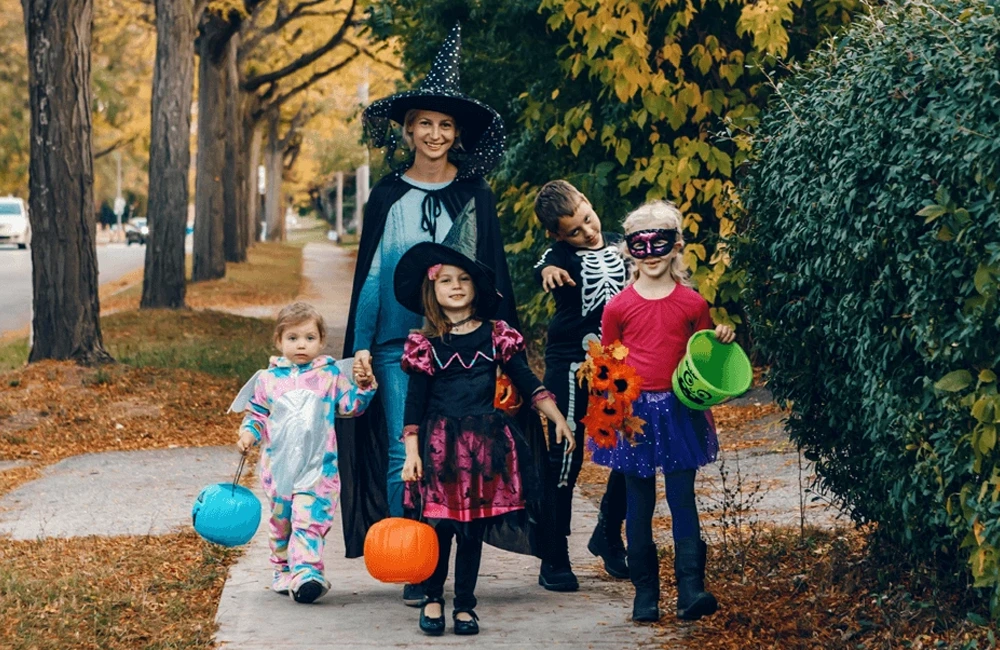
Consider alternatives to horror themes. How about hayrides, arts and crafts, or pumpkin carving? Suggest costume ideas that are fun. You could even choose a family costume which is a great way to build connection and join in on something they like. Try to focus on fun rather than fear.
By taking these steps, you can help your child feel more in control and secure, ensuring they can enjoy this season while making positive, fun memories.

TBRI® Caregiver
Practical, trauma-informed strategies to support children impacted by trauma.
